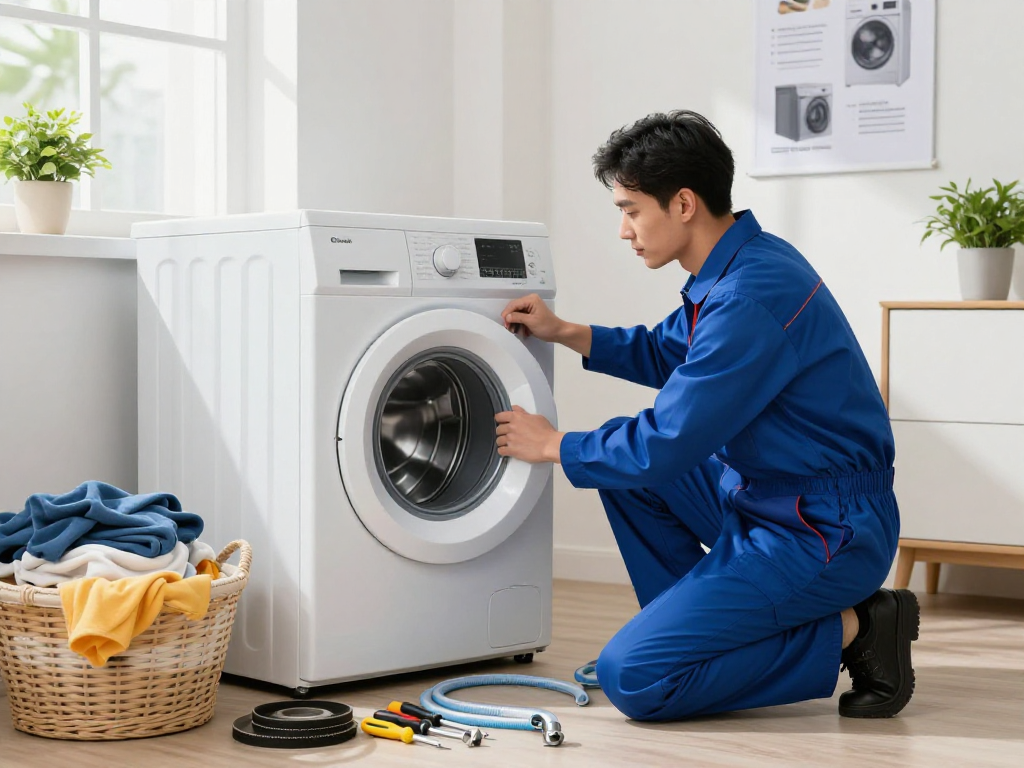
Understanding Common Washing Machine Issues
Washing machines are essential appliances that streamline our laundry tasks, yet they can encounter a variety of issues over time. For residents in Aurora, understanding the common problems associated with washing machines not only helps in identifying issues early but also informs decisions regarding repairs or replacements. In this article, we will delve into frequent washer malfunctions, practical solutions, and essential maintenance tips to ensure your appliance remains in optimal working condition. When exploring options, washer repair Aurora provides comprehensive insights into both DIY fixes and professional services available in your area.
What are the Signs of a Malfunctioning Washer?
Recognizing that your washing machine may be malfunctioning is crucial to preventing more significant issues down the line. Here are some common signs:
- Unusual Noises: If you hear clanging, banging, or grinding sounds, it could indicate loose parts or a malfunctioning motor.
- Leaking Water: Puddles around your washer often signal a leak, which can arise from worn hoses or faulty seals.
- Failure to Start: If the machine refuses to start, the problem could be related to the power supply, door latch, or timer.
- Draining Issues: A washer that does not drain properly may leave clothes soaking wet, often due to a clogged pump or hose.
- Inconsistent Cycle Times: If the machine takes longer than usual to complete a cycle, there may be an underlying issue affecting its performance.
Most Frequent Washer Problems in Aurora
In Aurora, homeowners often encounter similar washing machine ailments. Some of the most frequent issues include:
- Motor Problems: Over time, motors can wear out or become damaged, leading to performance hiccups.
- Belt Wear: The drive belt that connects the motor to the drum can fray or break, causing the drum to stop spinning.
- Drainage Blockages: Local plumbing issues or foreign objects can obstruct the drainage system, contributing to flooding or water pooling.
- Electrical Failures: Faulty wiring or circuit issues can leave a washing machine dead and require professional assessment.
How to Diagnose Washer Problems Effectively?
To accurately diagnose washer problems, follow these steps:
- Listen and Observe: Pay attention to any unusual sounds or vibrations during operation.
- Inspect for Leaks: Check the hoses, door seal, and floor for signs of water.
- Review Error Codes: Many modern washers display error codes that can provide insight into the malfunction.
- Check for Blockages: Inspect the drain pump, filters, and hoses for obstructions.
Essential Tools for Washer Repair
Having the right tools is crucial for anyone looking to perform repairs on their washing machine. Below is a comprehensive list of essential tools:
Basic Tools Every Homeowner Should Have
- Screwdrivers: A collection of Phillips and flat-head screwdrivers is essential for removing panels and parts.
- Wrenches: Adjustable wrenches help in loosening and tightening bolts.
- Pliers: Needle-nose pliers can assist in gripping small components.
- Multimeter: A multimeter is vital for diagnosing electrical issues by checking continuity and voltage.
Advanced Tools for Professional Repairs
- Torque Wrench: Necessary for ensuring that bolts are tightened to the manufacturer’s specifications.
- Diagnostic Software: Some technicians use software to read error codes more effectively and diagnose issues.
- Vibration Meter: This tool helps identify problems related to the washer's balance and vibration.
Safety Equipment and Precautions
Safety should always be a priority during repairs. Protective gloves, safety goggles, and non-slip shoes are essential safety gear. Additionally, ensure that you unplug the washing machine before starting any repair work to avoid electrical shocks.
Step-by-Step Guide to DIY Washer Repairs
Many washing machine problems can be resolved through DIY repairs. Below are some common issues and the steps to fix them:
How to Fix a Washer That Won't Start?
- Check the power supply, ensuring the washer is plugged in and the outlet is functioning.
- Inspect the door latch; a faulty latch may prevent the machine from starting.
- Examine the control panel for any visible damage or stuck buttons.
- If necessary, reset the machine according to the manufacturer’s instructions.
Repairing Drainage Issues in Washers
Drainage issues can result from clogs or malfunctioning components. To resolve:
- Unplug the machine and check the drain hose for kinks or blockages.
- Remove and clean the drain pump filter, if accessible.
- Inspect the drain pump for damage and ensure it is functioning properly.
Replacing Common Washer Parts: A How-To
Replacing parts like belts or pumps is often a straightforward process. Follow these steps:
- Disconnect the power and water supply.
- Carefully remove the back panel or access panel to reach the component.
- Replace the defective part with the new one, ensuring all connections are secure.
- Reassemble the machine, restoring the panels and reconnecting water and power.
Finding Reliable Washer Repair Services in Aurora
If DIY repairs seem daunting, or if the issue is extensive, finding a reliable repair service is essential. Here are some tips:
What to Look for in a Repair Service?
- Experience: Look for technicians with extensive experience, particularly with your washing machine model.
- Certifications: Ensure that the service has certified technicians who are trained to handle appliance repairs.
- Warranty on Repairs: A reputable service will offer warranties on parts and labor.
Comparing Cost of Repairs vs. Replacement
When faced with a malfunctioning washer, understand the costs involved:
- Repair Costs: Typically range from $100 to $500, depending on the issue and part replacements.
- Replacement Costs: New washers can cost anywhere from $400 to over $1,500, excluding delivery and installation.
- Decision Factors: Consider the age of your machine, the severity of the repair, and your budget before deciding.
Customer Reviews: Evaluating Local Repair Shops
Before hiring a repair service, review customer feedback. Websites, social media, and word-of-mouth referrals can offer insights into a shop’s reliability and effectiveness. Pay attention to recurring themes in reviews, especially regarding customer service and quality of repairs.
Maintaining Your Washer for Longevity
Regular maintenance is pivotal in prolonging the life of your washing machine. Here are essential practices to follow:
Routine Maintenance Tips for Homeowners
- Clean the Lint Filter: Regularly check and clean the lint filter to avoid clogs.
- Check Hoses: Inspect hoses for signs of wear and replace them every five years.
- Dry the Drum: After each use, leave the door ajar to prevent mold and mildew buildup.
Best Practices to Extend Machine Life
- Use the Right Detergent: Ensure that you are using a detergent suitable for your machine type (HE or regular).
- Avoid Overloading: Adhere to the manufacturer's capacity recommendations to avoid damaging the drum.
Understanding Warranties and Service Plans
Knowing the warranty policy of your washing machine can save you money in repairs. Most manufacturers offer warranties ranging from one to five years. It’s beneficial to invest in extended service plans if you own an older model or if the warranty is about to expire.
What are Common Maintenance Mistakes?
Avoiding these common mistakes can significantly affect your washer's lifespan:. Additionally, stackable washer dryer repair provides further details.
- Ignoring Warning Signs: Delaying repairs when issues arise can lead to more significant damage.
- Insufficient Cleaning: Neglecting to clean the detergent drawer, drum, and filter can lead to blockages and odors.
- Using Excessive Detergent: This can cause buildup and affect washing performance.