Understanding Metal Roofing
As homeowners increasingly prioritize durability, aesthetics, and energy efficiency, standing seam metal roofing has emerged as a leading choice. Known for its sleek lines and robust performance, this roofing style is particularly suited for both low-slope and modern architectural designs. With exceptional water drainage and snow-shedding capabilities, standing seam roofs help protect homes from the elements while enhancing curb appeal. For those considering a roofing upgrade, understanding the intricacies of standing seam metal roofs and the contractors who install them is crucial. When exploring options, Metal Roof Contractors provide comprehensive insights into the benefits and features of these structures.
What is Standing Seam Metal Roofing?
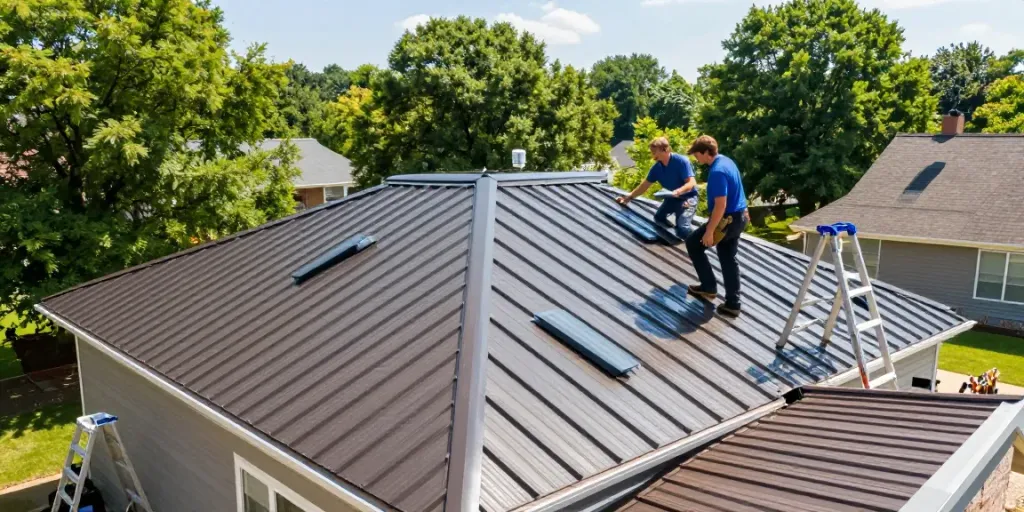
Standing seam metal roofing is characterized by its vertical panels that interlock at raised seams, creating a sleek and modern appearance. This design not only enhances aesthetics but also significantly improves water drainage, making it an excellent option for regions with heavy rainfall or snow. The panels are typically made from high-quality materials, such as galvanized steel or aluminum, and are available in various colors and finishes. These roofs are designed to withstand harsh weather conditions while providing a long-lasting, low-maintenance solution for homeowners.
Benefits of Metal Roofs for Homeowners
Homeowners are increasingly choosing metal roofs for several compelling reasons:
- Durability: Metal roofs can last 50 years or more, far outpacing traditional roofing materials like asphalt shingles.
- Energy Efficiency: These roofs reflect solar radiant heat, reducing cooling costs during summer and improving energy savings year-round.
- Minimal Maintenance: Unlike other roofing systems, metal roofs require minimal upkeep, saving homeowners time and money.
- Environmentally Friendly: Many metal roofing materials are recyclable, making them a sustainable choice for eco-conscious homeowners.
Common Misconceptions about Metal Roofing
Despite the advantages, several myths about metal roofing persist:
- Noise: Many believe metal roofs are noisy during rain or hail, but modern installation techniques and underlayments significantly reduce sound.
- Rust: This is a common concern; however, high-quality metal roofs are coated to resist rust and corrosion.
- Expensive: While the initial investment is higher than traditional roofing, the long-term savings and lifespan make metal roofs more cost-effective.
Choosing the Right Metal Roof Contractors
When selecting metal roof contractors, it's essential to consider various factors to ensure a successful roofing project. Quality workmanship is paramount since the roof is a significant investment for your home.
Qualities to Look for in Contractors
Not all contractors are created equal. Here are key qualities to look for:
- Experience: Look for contractors who have a track record of working specifically with metal roofing.
- Reputation: Seek out customer reviews and testimonials to gauge the contractor's reliability and quality of work.
- Professionalism: A good contractor will provide clear communication, transparent pricing, and a detailed project timeline.
Importance of Manufacturer Certifications
Manufacturer certifications are critical indicators of a contractor's expertise. Certified contractors have undergone extensive training and adhere to industry standards, ensuring the best installation practices. This certification can also impact warranty coverage for materials, providing added peace of mind.
Customer Testimonials and Reviews
Reading customer testimonials is invaluable. They offer insights into the contractor's reliability, workmanship, and post-installation support. Look for patterns in feedback to identify strengths and weaknesses, helping you make an informed decision.
Installation Process
The installation of a standing seam metal roof involves several steps, each critical to ensuring the roof's performance and longevity. Understanding this process can help homeowners prepare effectively.
Preparing for Your Metal Roof Installation
Preparation is key. Homeowners should clear the installation area of debris and ensure easy access for the contractors. Additionally, securing any necessary permits and homeowner association approvals can prevent delays.
Steps Involved in Installation
The installation process typically entails:
- Inspection: A thorough inspection of the existing roof to determine if repairs are needed.
- Preparation: Installing underlayment and ensuring proper ventilation to prolong the roof's lifespan.
- Panel Installation: Mounting the metal panels, ensuring interlocking seams are secure.
- Final Inspection: A comprehensive review of the installation to identify any potential issues.
Post-Installation Support Offered by Contractors
After installation, reputable contractors often provide post-installation support, which may include regular inspections and maintenance checks to ensure the roof performs optimally throughout its lifespan.
Maintenance and Longevity
To maximize the benefits of a standing seam metal roof, routine maintenance is essential. Understanding care practices can significantly enhance the roof's longevity and performance.
Routine Maintenance Tips for Metal Roofs
Homeowners should consider these tips for maintaining their metal roofs:
- Regular Inspections: Conduct visual inspections at least twice a year to catch potential issues early.
- Cleaning: Remove debris, leaves, and branches to prevent water pooling and corrosion.
- Gutter Maintenance: Ensure gutters are clean and free of blockages to facilitate proper water drainage.
Expected Lifespan of Standing Seam Metal Roofing
Typically, standing seam metal roofs can last 50 years or more with proper care. Factors like local weather conditions, installation quality, and maintenance practices play crucial roles in determining longevity.
How to Address Common Issues
Common issues, such as loose seams or rust spots, should be addressed promptly. Homeowners should consult their contractors for repairs and preventive measures to maintain the roof's integrity.
Future Trends in Metal Roofing
The metal roofing industry continues to evolve, incorporating innovative materials and technologies. Staying informed about these trends can provide homeowners with additional benefits.
Innovations in Metal Roofing Materials
New materials are constantly being developed to enhance durability and environmental performance. Look for advancements in coatings that improve energy efficiency and resistance to corrosion.
Energy Efficiency and Sustainability Trends for 2026
As sustainability becomes an increasingly important factor, energy-efficient metal roofing options are being prioritized. Reflective coatings and materials that incorporate recycled elements are becoming standard.
Emerging Technologies in Metal Roofing Installation
Technological advancements, such as drones and IoT devices, are revolutionizing how roofing projects are managed. These technologies allow for better project oversight and quality assurance during installation.
What Should You Know About Metal Roofing Projects?
If you're considering a metal roofing project, it's important to research thoroughly. Understand the different materials available, project timelines, and potential costs to make informed decisions.
How Does Cost Compare to Traditional Roofing?
While the upfront cost of metal roofing may be higher than asphalt shingles, its longevity and low maintenance often result in lower overall lifetime costs, making it a smart investment for homeowners.
What Are the Signs of a Quality Metal Roof Installation?
Look for smooth seams, consistent panel alignment, and proper fastener placement as indicators of a quality installation. Engaging experienced contractors can significantly enhance the likelihood of a successful project.
How Can I Ensure My Metal Roof Lasts?
Regular maintenance, prompt repairs, and proper initial installation are key factors in prolonging the lifespan of your metal roof. Adhering to manufacturer's guidelines also plays a critical role.
What Are the Best Practices for Long-Term Metal Roof Care?
Best practices include keeping the roof clean, regularly inspecting for damage, and promptly addressing any issues that arise. Engaging professional contractors for routine inspections can provide peace of mind.
How Does Metal Roofing Impact Home Value?
Investing in a metal roof can enhance your home's value significantly. Its durability, aesthetic appeal, and energy efficiency can make a property more attractive to potential buyers, offering a solid return on investment.